Skip to product information
1 of 4

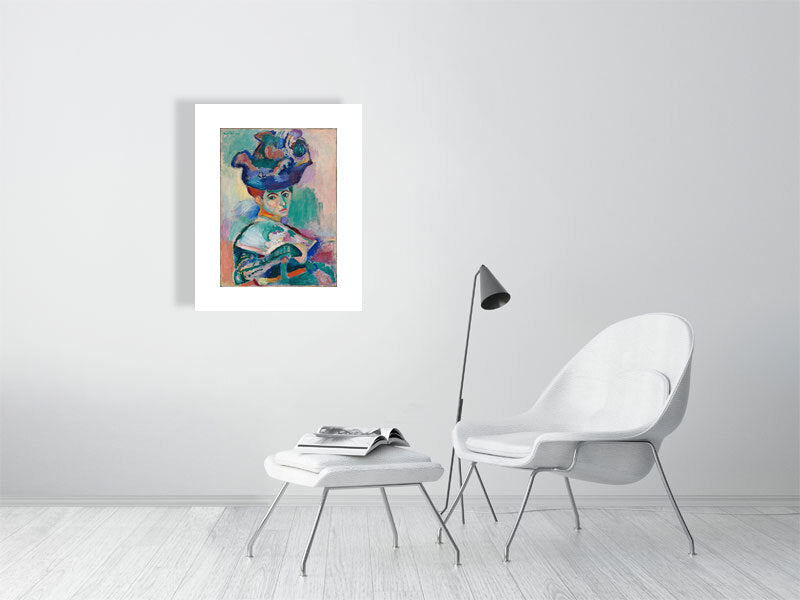
Matisse, Henri - Woman with a Hat (1905)

Matisse, Henri - Woman with a Hat (1905)

Regular price $210
Sale price $210 Regular price
OFF Sold out
Shipping calculated at checkout.

Free shipping to Domestic US addresses!

Vendor

AdamPacio.com

Sub total

$210
  • American Express
  • Apple Pay
  • Diners Club
  • Discover
  • Google Pay
  • Mastercard
  • PayPal
  • Shop Pay
  • Venmo
  • Visa
View full details
Description

Selecting a piece of history for your home is an act of curation that reflects your own journey toward clarity and center. This fine art giclée is more than a reproduction; it is a high-fidelity window into the Modern Art Canon, produced with the technical precision required for professional gallery display. By prioritizing archival materials and local Brooklyn craftsmanship, we ensure that the intellectual resonance of the artwork is matched by its physical presence in your space.

Every print is designed to provide a sense of lasting value and quiet confidence. This is an investment in your environment, an invitation to replace the noise of modern life with the enduring narrative of the great innovators. Whether displayed as a single focal point or as part of a larger historical survey, these prints provide the tactile and visual aura that only genuine museum-grade materials can deliver.

Museum-Quality Craftsmanship

The Paper: 100% cotton Hahnemühle Photo Rag, world-renowned for its beautiful felt structure and archival longevity.

The Print: Genuine Giclée process using pigment-based inks for depth, detail, and an "aura" that rivals museum originals.

The Production: Printed locally in NYC to ensure the highest standards of color accuracy and material integrity.

The Story

The Riot of 1905

Henri Matisse did not walk into the Salon d'Automne in 1905 looking to start a war. He just wanted to show a portrait of his wife, Amélie. She sat for him in a massive hat and a dress she probably stitched together herself. But when the doors opened in Paris, the public did not see a loyal wife. They saw a crime scene.

The critics lost their minds. They saw the green smear across her nose and the riot of violet on her cheek and decided Matisse had lost his grip on reality. One critic looked at the room and called the artists wild beasts, ‘fauves’. That was how Fauvism was born. It was an insult that stuck like a badge of honor.

Matisse was not trying to be difficult. He was just done with the lie that skin has to look like skin and light has to look like a sunbeam. He used color to talk about how it felt to look at her. It was raw and loud and deeply uncomfortable for a public used to smooth marble and polite shadows.

Leo and Gertrude Stein hated it at first. They stood in front of it and felt the same punch in the gut everyone else did. But then they bought it. They realized that once you see the world through Matisse's eyes, the old way of painting starts to look like a funeral. They saw the future in that messy hat and they paid the bill.

References

Elderfield, John. The Wild Beasts Fauvism and Its Affinities. New York Museum of Modern Art, 1976.

Spurling, Hilary. The Unknown Matisse A Life of Henri Matisse, 1869-1908. New York: Alfred A. Knopf, 1998.

Shipping & Satisfaction

Shipping & Satisfaction

Free shipping on all US orders, always.

Every order ships to US addresses at no additional cost. Allow up to 10 business days from fulfillment for delivery.

Your investment is protected. Material or print defects are replaced or fully refunded — no friction, no negotiation. If the work doesn't resonate aesthetically within 5 days of receipt, reach out and we'll make it right.

One note worth reading before you order: because every piece is produced on demand, we're unable to accommodate returns for incorrect size selections. Consult the product specs before you commit — they're there to make sure what arrives is exactly what you envisioned.

About your query!