

Paul Cézanne (1839–1906)
Paul Cézanne's closest friend published a novel about a failed painter. Cézanne read it and never spoke to him again.
Cézanne was born in Aix-en-Provence in 1839, the son of a banker who wanted a lawyer and got something else entirely. He came to Paris. He failed the École des Beaux-Arts entrance exam. The Salon rejected him so consistently the jury became a running joke with his name attached. Critics called his submissions crude. Unfinished. The work of someone who did not know what he was doing. They were half right — he was not doing what they expected. He was doing something they could not read yet.
Pissarro took him seriously. He mentored Cézanne, brought him outdoors, helped him see what his instincts were actually reaching toward. Cézanne showed in two Impressionist exhibitions. He was mocked at both.
The Kingmakers came in institutional form for the others. For Cézanne the deepest wound was personal. Émile Zola had been his closest friend since childhood. In 1886, Zola published L'Œuvre — a novel about a painter destroyed by his own failure. Cézanne recognized himself in it. He sent Zola a brief note of thanks for the copy and ended forty years of friendship. The public got a story about artistic failure. Cézanne went back to Aix and kept working.
He spent the next two decades in near-total isolation, painting Mont Sainte-Victoire over and over, breaking the visible world into its underlying geometric structure. He died in 1906, caught in a rainstorm while painting outdoors. Pneumonia took him within days.
Picasso and Braque called him the father of us all. He never knew.
Post-Impressionism
Masterpieces by Cézanne


Showing 1-24 of 145 Results
-
Cézanne, Paul - A Modern Olympia (1874) - Colorful Accent Mugs
Regular price $28Sale price $28 Regular priceUnit price per -
Cézanne, Paul - The House of the Hanged Man, Auvers-sur-Oise (1874) - Colorful Accent Mugs
Regular price $28Sale price $28 Regular priceUnit price per -
Cézanne, Paul - Portrait of the Artist with a Palette (1890) - Colorful Accent Mugs
Regular price $28Sale price $28 Regular priceUnit price per -
Cézanne, Paul - A Modern Olympia (1874) - Colorful Accent Mugs
Regular price $28Sale price $28 Regular priceUnit price per -
Cézanne, Paul - The Artist’s Father (1866) - Colorful Accent Mugs
Regular price $28Sale price $28 Regular priceUnit price per -
Cézanne, Paul - The Card Players (1892) - Colorful Accent Mugs
Regular price $28Sale price $28 Regular priceUnit price per -
J01 - Cezanne Survey - Softcover Journal
Regular price $23Sale price $23 Regular priceUnit price per -
Cézanne, Paul - The House of the Hanged Man, Auvers-sur-Oise (1874) - Ceramic Mug
Regular price $28Sale price $28 Regular priceUnit price per -
Cézanne, Paul - Portrait of the Artist with a Palette (1890) - Ceramic Mug
Regular price $28Sale price $28 Regular priceUnit price per -
Cézanne, Paul - A Modern Olympia (1874) - Ceramic Mug
Regular price $28Sale price $28 Regular priceUnit price per -
Cézanne, Paul - L’Estaque, Melting Snow (1870) - Ceramic Mug
Regular price $28Sale price $28 Regular priceUnit price per -
Cézanne, Paul - The Artist’s Father (1866) - Ceramic Mug
Regular price $28Sale price $28 Regular priceUnit price per -
Cézanne, Paul - The Card Players (1892) - Ceramic Mug
Regular price $28Sale price $28 Regular priceUnit price per -
Cézanne, Paul - The House of the Hanged Man, Auvers-sur-Oise (1874) - Rubber Yoga Mat
Regular price $98Sale price $98 Regular priceUnit price per -
Cézanne, Paul - Portrait of the Artist with a Palette (1890) - Rubber Yoga Mat
Regular price $98Sale price $98 Regular priceUnit price per -
Cézanne, Paul - A Modern Olympia (1874) - Rubber Yoga Mat
Regular price $98Sale price $98 Regular priceUnit price per -
Cézanne, Paul - The Artist’s Father (1866) - Rubber Yoga Mat
Regular price $98Sale price $98 Regular priceUnit price per -
Cézanne, Paul - L’Estaque, Melting Snow (1870) - Rubber Yoga Mat
Regular price $98Sale price $98 Regular priceUnit price per -
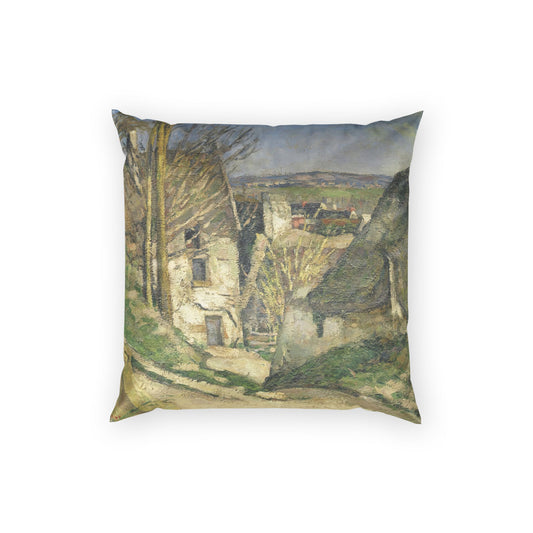
Cézanne, Paul - The House of the Hanged Man, Auvers-sur-Oise (1874) - Poly Velvet Pillow
Regular price $49Sale price $49 Regular priceUnit price per -
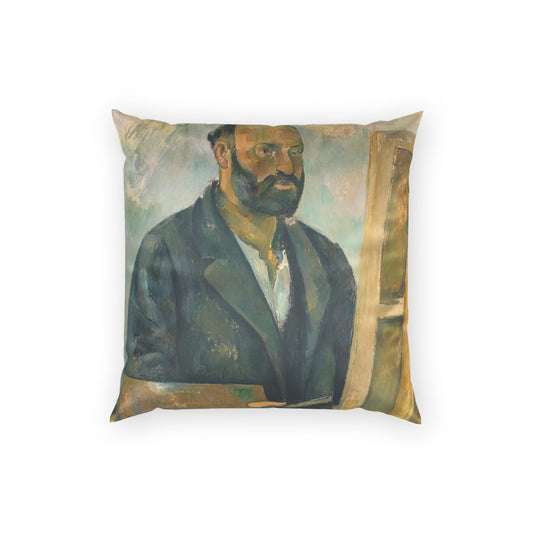
Cézanne, Paul - Portrait of the Artist with a Palette (1890) - Poly Velvet Pillow
Regular price $49Sale price $49 Regular priceUnit price per -
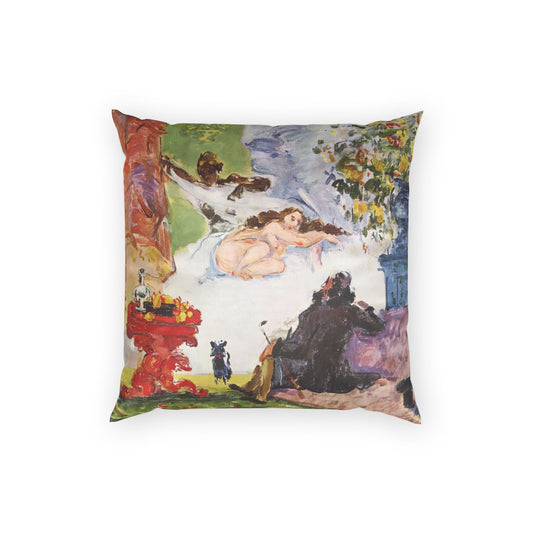
Cézanne, Paul - A Modern Olympia (1874) - Poly Velvet Pillow
Regular price $49Sale price $49 Regular priceUnit price per -
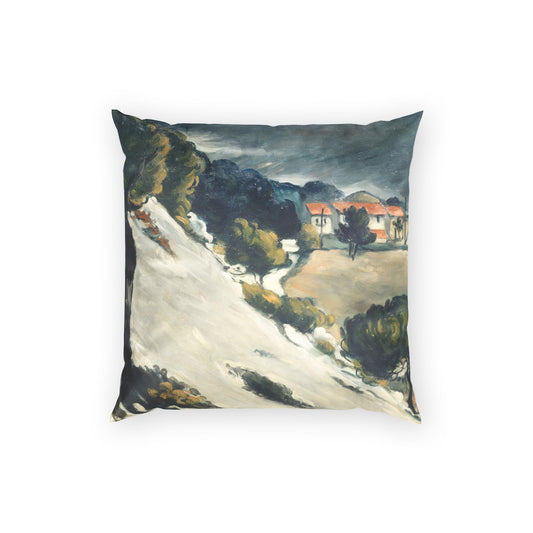
Cézanne, Paul - L’Estaque, Melting Snow (1870) - Poly Velvet Pillow
Regular price $49Sale price $49 Regular priceUnit price per -
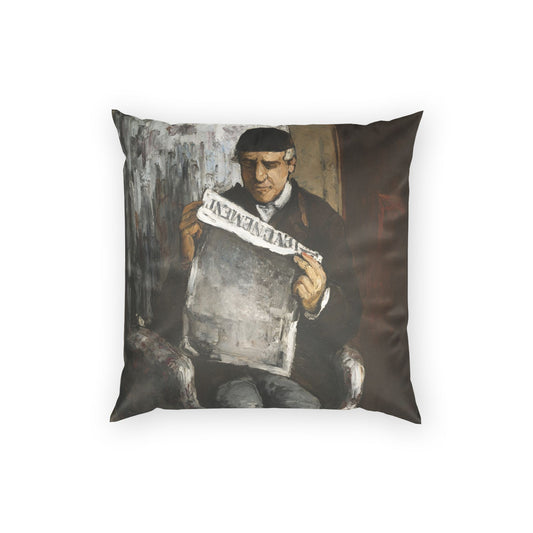
Cézanne, Paul - The Artist’s Father (1866) - Poly Velvet Pillow
Regular price $49Sale price $49 Regular priceUnit price per -
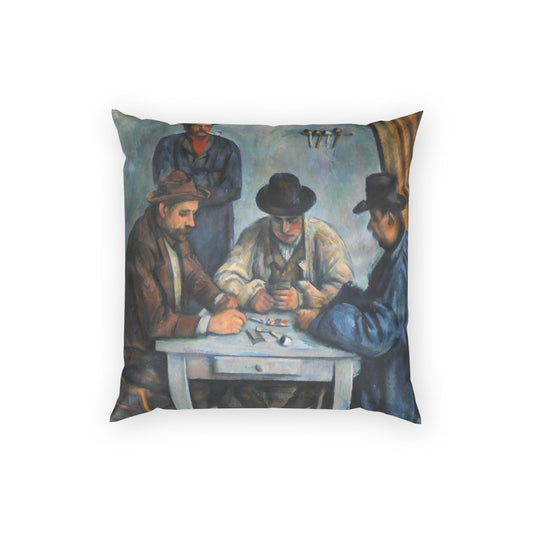
Cézanne, Paul - The Card Players (1892) - Poly Velvet Pillow
Regular price $49Sale price $49 Regular priceUnit price per







Nota Bene
The Art History Study Units were designed and researched as a brief survey to introduce each period in time. The Masters and Masterpieces collected here are not a complete view nor a complete roster of all Masters nor even all of their Works.
In the Art History Essays, presented in the blog articles, as well as included in the product description for each product under the "Design Story" tab, you will find academic citations.
If you are interested in more scholarship about a single piece or an artist, use those bibliographies as a starting point to learn more.