Skip to product information
1 of 3

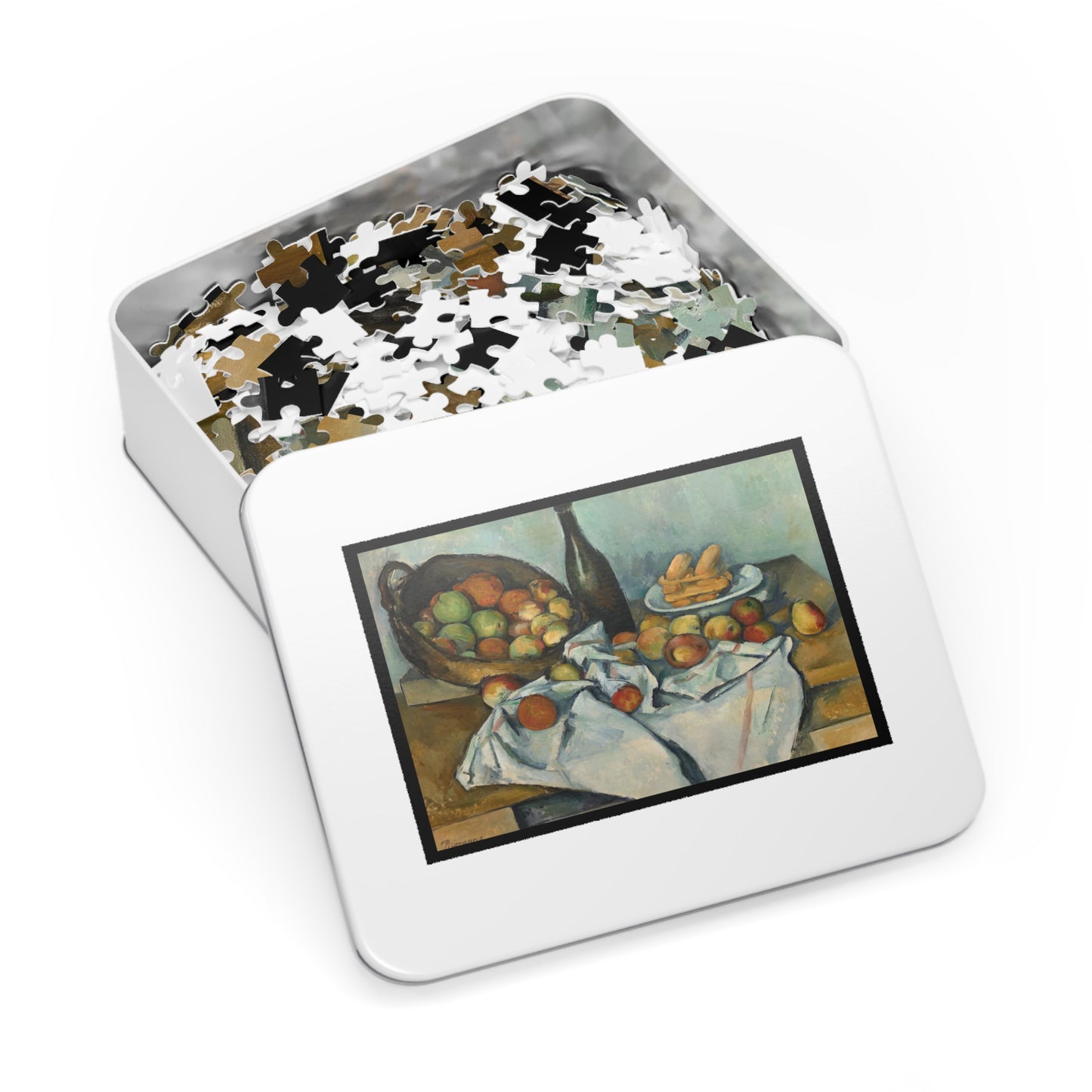
Cézanne, Paul - Basket of Apples (1893) - 1000pc Jigsaw Puzzle

Cézanne, Paul - Basket of Apples (1893) - 1000pc Jigsaw Puzzle

Regular price $50
Sale price $50 Regular price
OFF Sold out
Shipping calculated at checkout.

Free shipping to Domestic US addresses!

Vendor

Printify

Sub total

$50
  • American Express
  • Apple Pay
  • Diners Club
  • Discover
  • Google Pay
  • Mastercard
  • PayPal
  • Shop Pay
  • Venmo
  • Visa
View full details
Description

The Art History Jigsaw Collection

Reclaim your focus with a tactile journey into art history.

In a world of constant digital notification and blue-light exhaustion, the simple act of assembling a puzzle is a radical return to center. These 1000-piece jigsaws offer more than a cozy group activity; they provide a "flow state" experience that allows you to become intimately acquainted with the brushstrokes and decisions of the world’s greatest artists. As you fit each high-quality chipboard piece into place, you aren't just building an image, you are practicing mindful relaxation and building a deeper connection with a Masterpiece.

Classic Nostalgia Meets Modern Elegance

Every puzzle is housed in a clean, white metal tin that carries a 1950s nostalgic charm, featuring the finished artwork printed directly on the lid. This waterproof tin doesn't just keep your pieces secure. It serves as a sophisticated addition to your bookshelf or coffee table, making it a gift-ready presentation for yourself or a fellow seeker. You can bring the aura of a museum masterpiece into your home in a format that is both approachable and deeply rewarding.

Product Specifications:

  • Scale: 1000 precise-interlocking pieces with a professional glossy finish.
  • Material: High-quality, pre-die-cut chipboard for a satisfying tactile click.
  • Storage: Arrives in a durable white metal tin box featuring the art on the cover.
  • Integrity: Utilizing the latest printing techniques for crisp, vibrant colors that match the historical originals.
The Story

The Architecture of the Apple

Paul Cezanne wasn’t interested in painting fruit because he was hungry or interested in the decorative traditions of the Dutch masters. He painted apples because they didn't move. Cezanne was notorious for taking weeks to stare at them until the skins broke and the studio smelled like fermentation, trying to capture their essence on the canvas.

While the rest of the world was falling apart in 1893, Cezanne was in a self-imposed exile in Provence, trying to find the permanent ‘bones of the universe’. He was done with the flickering, blurry light of the Impressionists. He wanted something heavy. Something solid. Something that would last.

The Basket of Apples is a deliberate act of sabotage against traditional perspective. Look at the table. It doesn't line up. The left side exists in a different reality than the right. The bottle tilts as if it’s caught in a localized earthquake. This wasn't a mistake by a clumsy amateur. It was a calculated strike against the Renaissance.

Cezanne was showing you that the human eye doesn't see a static, frozen world from a single point. We move. We shift. We see things from multiple angles at once. Cezanne understands that viewers will forgive the artist for depicting impossible distortions and empirical paradoxes. Instead, our brains choose to betray what the eyes report faithfully in favor of a composited ideal, wholly invented by the mind in a concept of reality which we humans find far easier to comprehend than what actually is.

Cezanne used heavy black outlines to pin the world down. He treated a piece of fruit with the same structural gravity as a mountain. By the time he was done, he hadn't just painted a still life, he had built a philosophical bridge for the next generation of Art Innovators to walk across confidently. Without this table of rotting fruit, there is no Picasso. There is no Cubism. There is only a world of pretty, fleeting shadows. Cezanne gave art back its skeleton.

References

Cezanne, P., & Danchev, A. The Letters of Paul Cezanne. Thames & Hudson. 2013.

Gowing, L. Cezanne. Thames & Hudson. 1988.

Rewald, J. The Paintings of Paul Cezanne: A Catalogue Raisonne. Harry N. Abrams. 1996.

Shiff, R. Cezanne and the End of Impressionism: A Study of the Theory, Copying, and Design of French Modernism. University of Chicago Press. 1984.

Shipping & Satisfaction

Shipping & Satisfaction

Free shipping on all US orders, always.

Every order ships to US addresses at no additional cost. Allow up to 10 business days from fulfillment for delivery.

Your investment is protected. Material or print defects are replaced or fully refunded — no friction, no negotiation. If the work doesn't resonate aesthetically within 5 days of receipt, reach out and we'll make it right.

One note worth reading before you order: because every piece is produced on demand, we're unable to accommodate returns for incorrect size selections. Consult the product specs before you commit — they're there to make sure what arrives is exactly what you envisioned.

About your query!