Skip to product information
1 of 4

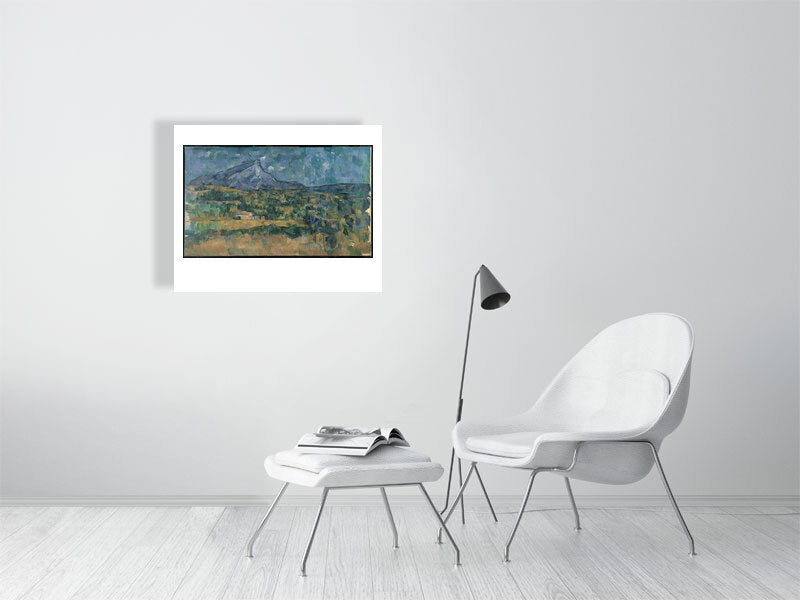
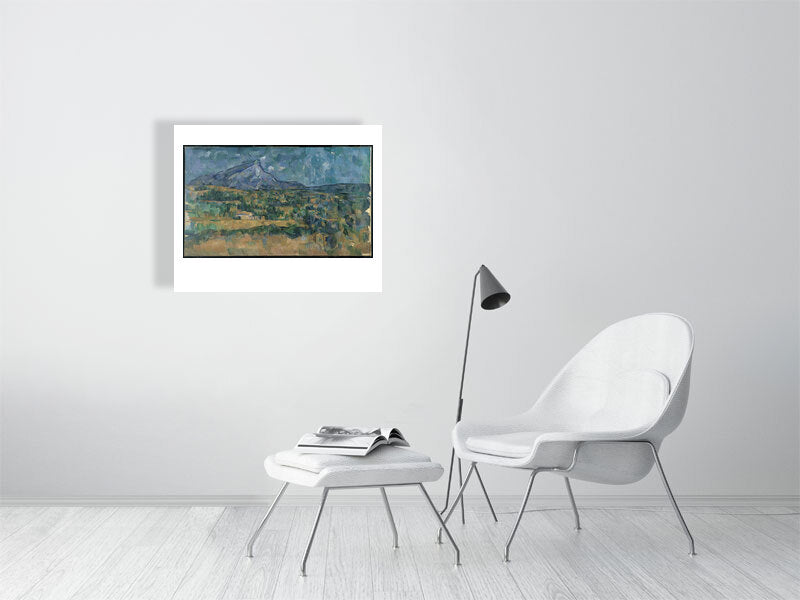
Cézanne, Paul - Mont Sainte-Victoire (1902)

Cézanne, Paul - Mont Sainte-Victoire (1902)

Regular price $210
Sale price $210 Regular price
OFF Sold out
Shipping calculated at checkout.

Free shipping to Domestic US addresses!

Vendor

AdamPacio.com

Sub total

$210
  • American Express
  • Apple Pay
  • Diners Club
  • Discover
  • Google Pay
  • Mastercard
  • PayPal
  • Shop Pay
  • Venmo
  • Visa
View full details
Description

Selecting a piece of history for your home is an act of curation that reflects your own journey toward clarity and center. This fine art giclée is more than a reproduction; it is a high-fidelity window into the Modern Art Canon, produced with the technical precision required for professional gallery display. By prioritizing archival materials and local Brooklyn craftsmanship, we ensure that the intellectual resonance of the artwork is matched by its physical presence in your space.

Every print is designed to provide a sense of lasting value and quiet confidence. This is an investment in your environment, an invitation to replace the noise of modern life with the enduring narrative of the great innovators. Whether displayed as a single focal point or as part of a larger historical survey, these prints provide the tactile and visual aura that only genuine museum-grade materials can deliver.

Museum-Quality Craftsmanship

The Paper: 100% cotton Hahnemühle Photo Rag, world-renowned for its beautiful felt structure and archival longevity.

The Print: Genuine Giclée process using pigment-based inks for depth, detail, and an "aura" that rivals museum originals.

The Production: Printed locally in NYC to ensure the highest standards of color accuracy and material integrity.

The Story

The Mountain as Architecture

Paul Cézanne didn't paint Mont Sainte-Victoire because he liked the view from his studio at Les Lauves. He painted it because he was trying to stop the world from melting. By 1902, the old certainties of the nineteenth century were dissolving into thin air. Marie Curie was busy isolating radium and Einstein was quietly rethinking the very fabric of time while the rest of the world struggled to keep up with the noise of the new century. The air smelled of ozone, exhaust, and the heavy dust of construction sites. Everything was moving too fast. Automobiles were scaring horses and the first silent films were flickering in dark rooms. In the middle of this nervous energy, Cézanne retreated to his isolated studio to rebuild reality from the ground up.

This 1902 canvas is a radical departure from his earlier, more literal landscapes. He stopped treating art as a window and started treating it as a physical wall of color and intent. Lines are gone. In their place, color patches build the mountain's architecture through purely optical means. He was breaking everything down so it could be rebuilt in a different light. Historians cite this specific work as the direct ancestor of Cubism because it forced the viewer to see the structure beneath the skin of nature. Cézanne struggled with the realization that he could never fully capture the wildness of the Provençal hills, but in failing, he accidentally invented the future.

About your query!