Skip to product information
1 of 3

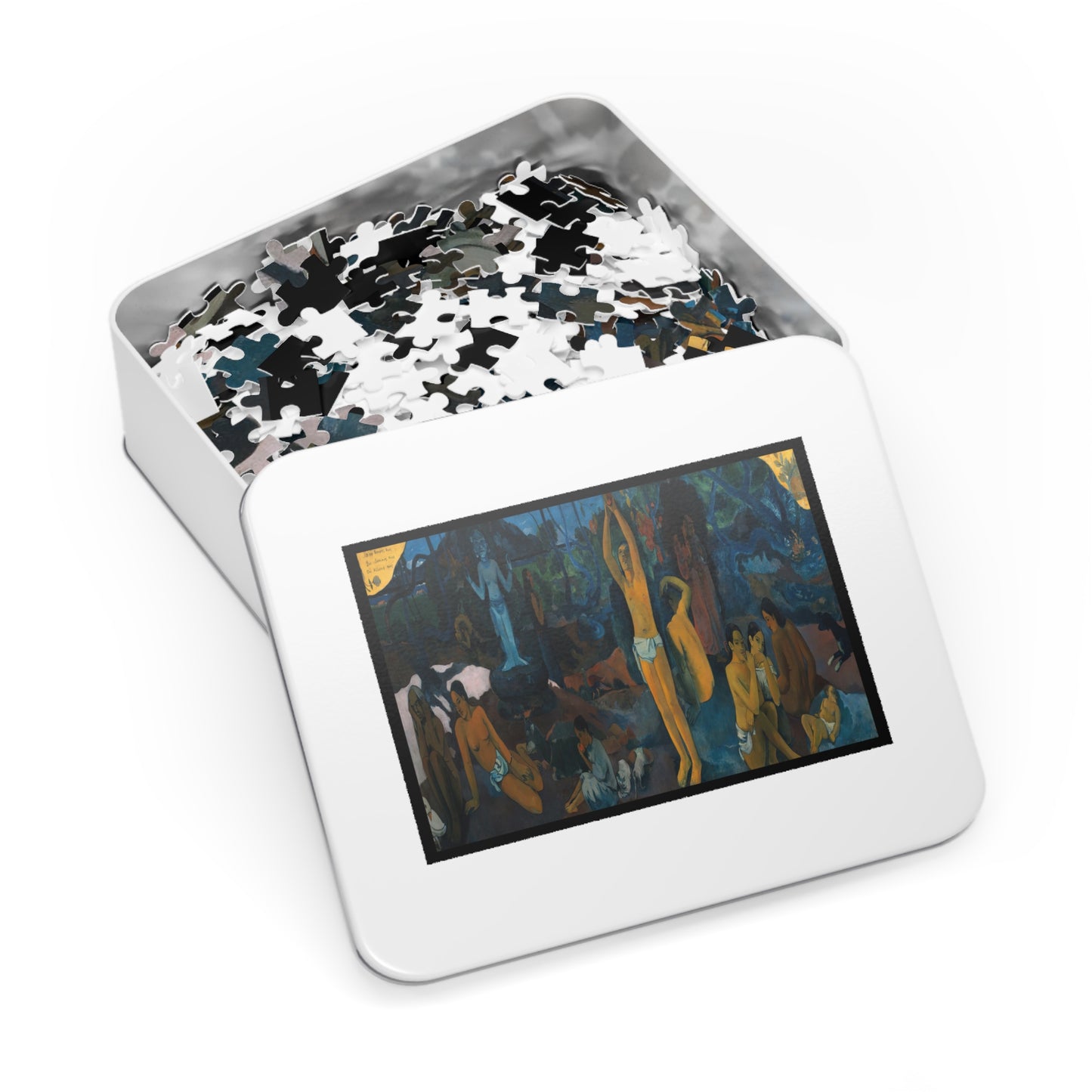
Gauguin, Paul - Where Do We Come From? What Are We? Where Are We Going? (1897) - 1000pc Jigsaw Puzzle

Gauguin, Paul - Where Do We Come From? What Are We? Where Are We Going? (1897) - 1000pc Jigsaw Puzzle

Regular price $50
Sale price $50 Regular price
OFF Sold out
Shipping calculated at checkout.

Free shipping to Domestic US addresses!

Vendor

Printify

Sub total

$50
  • American Express
  • Apple Pay
  • Diners Club
  • Discover
  • Google Pay
  • Mastercard
  • PayPal
  • Shop Pay
  • Venmo
  • Visa
View full details
Description

The Art History Jigsaw Collection

Reclaim your focus with a tactile journey into art history.

In a world of constant digital notification and blue-light exhaustion, the simple act of assembling a puzzle is a radical return to center. These 1000-piece jigsaws offer more than a cozy group activity; they provide a "flow state" experience that allows you to become intimately acquainted with the brushstrokes and decisions of the world’s greatest artists. As you fit each high-quality chipboard piece into place, you aren't just building an image, you are practicing mindful relaxation and building a deeper connection with a Masterpiece.

Classic Nostalgia Meets Modern Elegance

Every puzzle is housed in a clean, white metal tin that carries a 1950s nostalgic charm, featuring the finished artwork printed directly on the lid. This waterproof tin doesn't just keep your pieces secure. It serves as a sophisticated addition to your bookshelf or coffee table, making it a gift-ready presentation for yourself or a fellow seeker. You can bring the aura of a museum masterpiece into your home in a format that is both approachable and deeply rewarding.

Product Specifications:

  • Scale: 1000 precise-interlocking pieces with a professional glossy finish.
  • Material: High-quality, pre-die-cut chipboard for a satisfying tactile click.
  • Storage: Arrives in a durable white metal tin box featuring the art on the cover.
  • Integrity: Utilizing the latest printing techniques for crisp, vibrant colors that match the historical originals.
The Story

The Last Testament of a Tropical Fever

Paul Gauguin didn't paint this massive mural to decorate a parlor. He painted it to say goodbye. It was 1897 in Tahiti and his romanticized colonial dream had turned into a nightmare of syphilis, unbearable humidity, and crushing poverty which were all too real. While Paris was obsessing over the rise of the motorcar and the concept of the New Woman, Gauguin was hiding in the islands, watching the French Empire strip the local land of its soul. He was beyond tired, he was weary. The air smelled of damp earth and rotting fruit. This wasn't a picturesque postcard from a savage paradise. It was a outcry from a man who had reached the edge of his own map who trembled at the edge of it all.

The work is a sacred scroll of human existence, meant to be read from right to left. It starts with a sleeping infant and ends with an old woman staring down the inevitable. Gauguin used rough sackcloth instead of fine canvas because he was broke and desperate. The colors are flat and unnatural, shifting away from the reality of light into the reality of the spirit. He finished the piece and immediately tried to end his life by swallowing arsenic. He failed at the suicide but succeeded in creating a monument to existential dread and spiritual fatigue. It is a snapshot of the tipping point before the old 19th century myths died and the 20th century exploded into being.

References

Gauguin, Paul. Noa Noa: The Tahitian Journal. Dover Publications, 1985.

Shackelford, George T. M. Gauguin: Tahiti. Museum of Fine Arts Boston, 2004.

Thomson, Belinda. Gauguin. Thames & Hudson, 1987.

Shipping & Satisfaction

Shipping & Satisfaction

Free shipping on all US orders, always.

Every order ships to US addresses at no additional cost. Allow up to 10 business days from fulfillment for delivery.

Your investment is protected. Material or print defects are replaced or fully refunded — no friction, no negotiation. If the work doesn't resonate aesthetically within 5 days of receipt, reach out and we'll make it right.

One note worth reading before you order: because every piece is produced on demand, we're unable to accommodate returns for incorrect size selections. Consult the product specs before you commit — they're there to make sure what arrives is exactly what you envisioned.

About your query!