Skip to product information
1 of 80

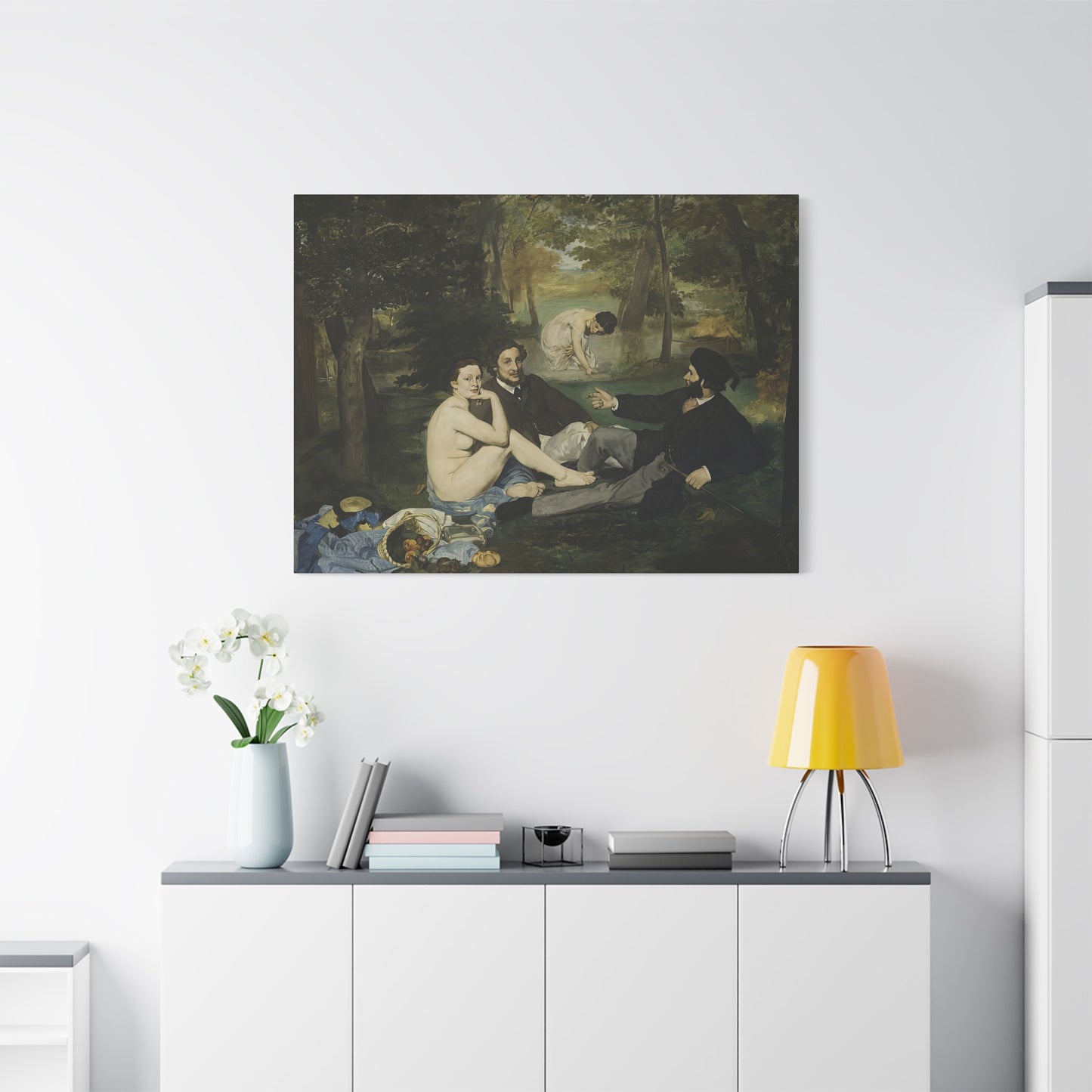
Manet, Édouard - Luncheon on the Grass (1863) - Canvas Block, unframed

Manet, Édouard - Luncheon on the Grass (1863) - Canvas Block, unframed

Regular price $35
Sale price $35 Regular price
OFF Sold out
Shipping calculated at checkout.

Free shipping to Domestic US addresses!

Vendor

Printify

Sub total

$35
  • American Express
  • Apple Pay
  • Diners Club
  • Discover
  • Google Pay
  • Mastercard
  • PayPal
  • Shop Pay
  • Venmo
  • Visa
View full details
Description

Stretched Canvas Block: A Tactile Anchor for Your Space

In a world saturated with digital noise, certain images serve as vital signals to help us reclaim focus. The Masterpieces Collection isn't just a set of decorative prints, it's a bridge to a cultural continuity of self-expression that brings the core of art history directly into alignment with your personal vibe. By integrating these works into your space, you're practicing mindful stewardship that honors human brilliance while creating a private sanctuary to replenish your soul.

These canvas blocks provide a sophisticated vibe that feels both intentional and grounded. The archival-grade cotton and polyester composite offers a subtle texture that distinguishes the piece from standard paper, reflecting the origins of most pieces as paint on canvas to begin with. Each block features a specialized matte coating designed to stay color-true while reducing glare so the art itself gets all the attention.

  • Sustainable Core: The internal frame is built from radiata pine sourced from FSC-certified renewable forests, ensuring the structural foundation aligns with a philosophy of stewardship.
  • Stability: Integrated back-hanging hardware and soft rubber dots on the bottom corners keep the canvas flush and centered without constant adjustments.
  • Safety and Depth: Printed with UL-certified Greenguard Gold latex inks, the image maintains a vivid, non-hazardous resonance safe for any environment.
  • Artisan Tolerance: Due to the specialized production process, please allow for the artwork placement on the folds and corners a minor deviation of up to 1/8 inch.

Care Instructions

Maintenance is intentionally minimal. If the surface gathers dust over time, a gentle wipe with a clean, damp cloth is all it takes to restore its clarity.

The Story

The Big Bang of Modern Art

In 1863, the French Academy held the keys to the kingdom. They liked their nymphs soft, their history noble, and their brushwork invisible. Then Édouard Manet showed up with a canvas the size of a billboard and a woman who refused to look away.

Le Déjeuner sur l’herbe was a calculated middle finger to the establishment. Manet didn’t just paint a picnic. He took a composition by Raphael and stripped away the divine protection of the Renaissance. He replaced goddesses with a real woman named Victorine Meurent. She isn't an idealized vision of beauty. She is sitting in the dirt with two middle-class men in modern suits, looking directly at the viewer with a gaze that says she knows exactly what you’re thinking.

The scandal wasn't just about the skin. It was about the scale. Manet used a massive format reserved for kings and gods to depict a "low-brow" afternoon in the woods. The paint is thick and flat. The lighting is harsh, like a stage play or a new-fangled photograph.

When the official Salon jury rejected it, Napoleon III opened the Salon des Refusés to prevent a riot. The public came to laugh, but they stayed to witness the birth of the avant-garde. Manet proved that the "licked" surfaces of the past were dead. He traded the prayer for a picnic and the nymph for a neighbor. Modern art didn't start with a whisper. It started with this explosion.

References

  • Clark, T.J. The Painting of Modern Life: Paris in the Art of Manet and his Followers. Princeton University Press, 1984.
  • Fried, Michael. Manet's Modernism: Or, The Face of Painting in the 1860s. University of Chicago Press, 1996.
  • Mainardi, Patricia. The End of the Salon: Art and the State in the Early Third Republic. Cambridge University Press, 1993.
  • Rewald, John. The History of Impressionism. The Museum of Modern Art, 1973.
Shipping & Satisfaction

Shipping & Satisfaction

Free shipping on all US orders, always.

Every order ships to US addresses at no additional cost. Allow up to 10 business days from fulfillment for delivery.

Your investment is protected. Material or print defects are replaced or fully refunded — no friction, no negotiation. If the work doesn't resonate aesthetically within 5 days of receipt, reach out and we'll make it right.

One note worth reading before you order: because every piece is produced on demand, we're unable to accommodate returns for incorrect size selections. Consult the product specs before you commit — they're there to make sure what arrives is exactly what you envisioned.

About your query!