Skip to product information
1 of 4

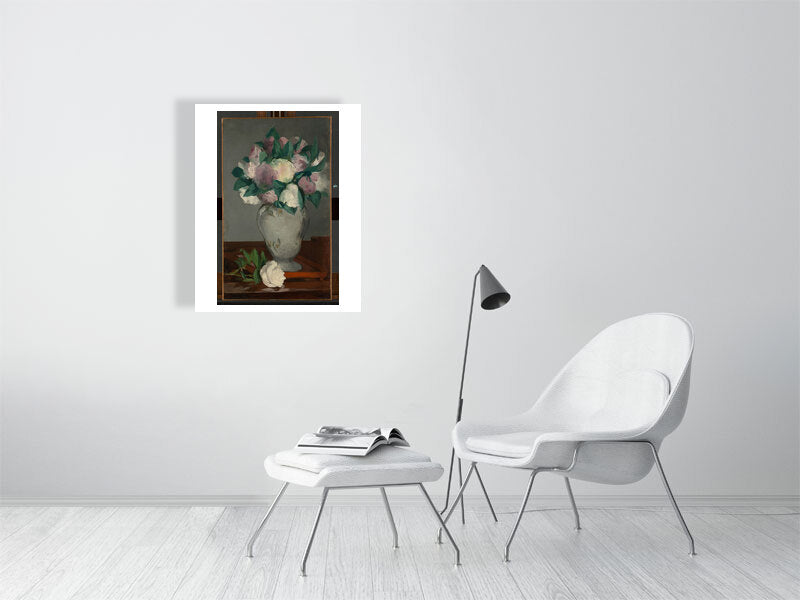
Manet - Peonies (1864)

Manet - Peonies (1864)

Regular price $210
Sale price $210 Regular price
OFF Sold out
Shipping calculated at checkout.

Free shipping to Domestic US addresses!

Vendor

AdamPacio.com

Sub total

$210
  • American Express
  • Apple Pay
  • Diners Club
  • Discover
  • Google Pay
  • Mastercard
  • PayPal
  • Shop Pay
  • Venmo
  • Visa
View full details
Description

Selecting a piece of history for your home is an act of curation that reflects your own journey toward clarity and center. This fine art giclée is more than a reproduction; it is a high-fidelity window into the Modern Art Canon, produced with the technical precision required for professional gallery display. By prioritizing archival materials and local Brooklyn craftsmanship, we ensure that the intellectual resonance of the artwork is matched by its physical presence in your space.

Every print is designed to provide a sense of lasting value and quiet confidence. This is an investment in your environment, an invitation to replace the noise of modern life with the enduring narrative of the great innovators. Whether displayed as a single focal point or as part of a larger historical survey, these prints provide the tactile and visual aura that only genuine museum-grade materials can deliver.

Museum-Quality Craftsmanship

The Paper: 100% cotton Hahnemühle Photo Rag, world-renowned for its beautiful felt structure and archival longevity.

The Print: Genuine Giclée process using pigment-based inks for depth, detail, and an "aura" that rivals museum originals.

The Production: Printed locally in NYC to ensure the highest standards of color accuracy and material integrity.

The Story

The Beautiful Rot of 1864

Manet did not paint these peonies because he had a passion for gardening. He painted them because they die faster than almost any other flower. In 1864, Paris was a fever dream of luxury and decay. Napoleon III was hosting grand balls while the scent of sewage and gaslight hung over the Seine. For the urban elite, the natural world was just a commodity. Flowers were no longer wild things. They were accessories for a lady’s parlor or a gentleman’s lapel.

Manet chose this subject as a technical exercise in color and light. He used a wet-on-wet technique that felt like a blur of motion. The critics of the day hated it. They wanted rigid details and invisible brushwork. Manet gave them thick, visible strokes instead. He was not painting flowers. He was painting paint.

Look closely at the single petal resting on the table. It is a Memento Mori, a deliberate reminder that beauty and the viewer will eventually rot. This is a moment of quiet domesticity that ignores the rising political tensions outside. It focuses instead on the messy death of a bouquet in a crystal vase. The air in a room like this smelled of cloying perfume, stale cigars, and expensive beeswax. It was a desperate act of preservation in a world that was moving too fast.

References

  • Brombert, B. A. (1996). Édouard Manet: Rebel in a Velvet Coat. University of Chicago Press.
  • Burnham, S. D. (2003). The Peonies of Édouard Manet. Metropolitan Museum of Art Bulletin.
  • Cachin, F., Moffett, C. S., & Bareau, J. W. (1983). Manet: 1832-1883. Metropolitan Museum of Art.
  • Fried, M. (1996). Manet's Modernism: or, The Face of Painting in the 1860s. University of Chicago Press.
  • Metropolitan Museum of Art. (2024). Peonies in a Vase: Permanent Collection Dossier. New York, NY.
About your query!