


Ranson, Paul - Two Acts (1890) - Suitcase
Ranson, Paul - Two Acts (1890) - Suitcase
Free shipping to Domestic US addresses!
Vendor
PrintifySub total
$225


Description
Description
The Masterpiece Hard-Shell Travel Case
Curated Movement for the Intentional Traveler.
Art in Motion
Travel is often a series of transitions through noisy, crowded spaces. This hard-shell suitcase from the Masterpieces Collection ensures that your personal aesthetic remains uninterrupted, even on the move. Featuring high-resolution art history masterpieces encapsulated within a durable polycarbonate shell, this case transforms a practical necessity into a mobile statement of heritage and style.
Resilient Sophistication
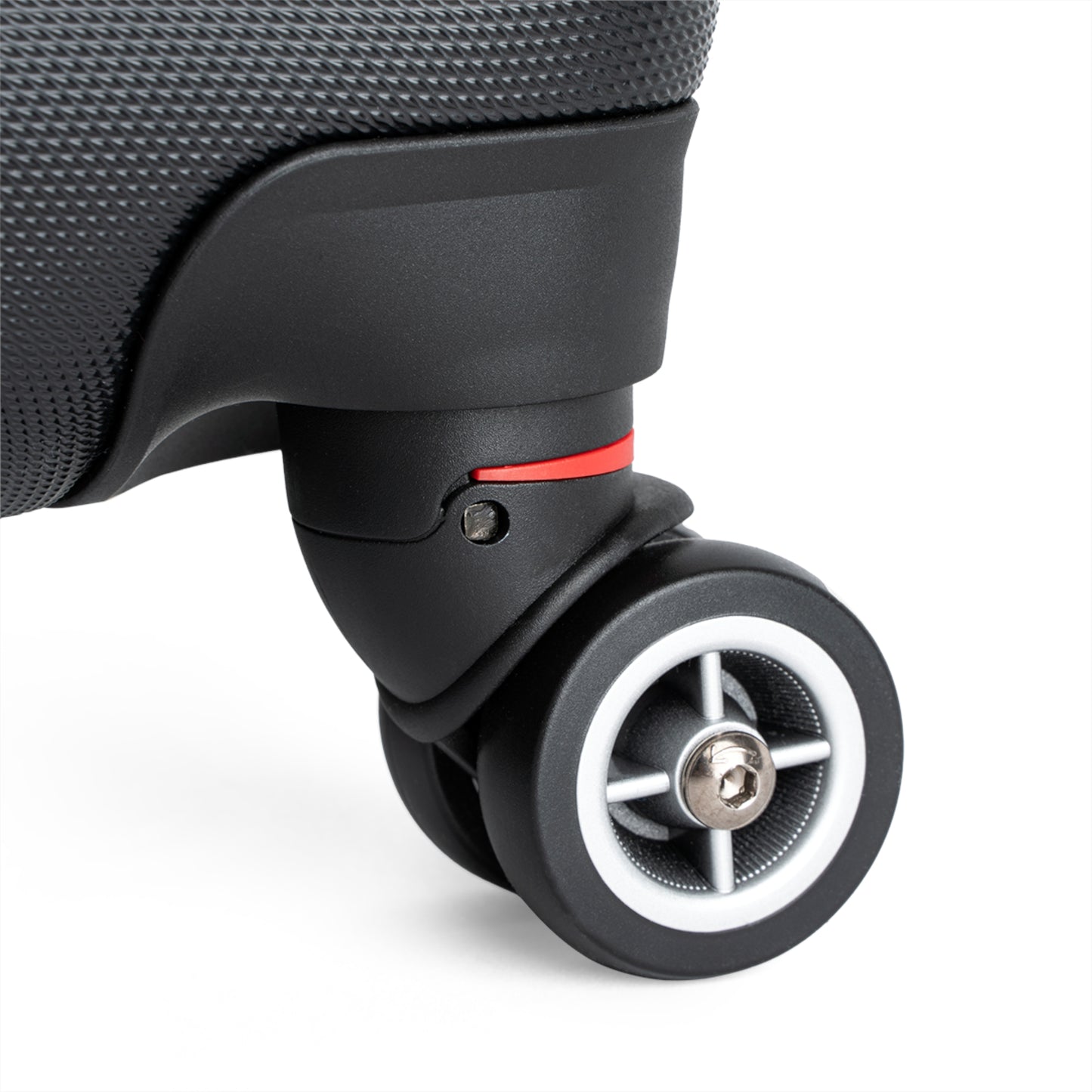
Designed for those who value both form and function, the case utilizes a hybrid construction: a high-impact polycarbonate front to protect the artwork and a lightweight ABS back for scratch and temperature resistance. The 360° swivel double-wheels and adjustable telescopic handle ensure effortless, silent movement through any environment, allowing you to maintain your peace and your pace.
Intelligent Interior
The interior is designed for the mindful organizer. Featuring a removable lining under a secure rubber seal and dedicated inner pockets, it provides the structure needed to keep your essentials in order. For longer journeys, the largest size offers an expandable storage option, ensuring you never have to compromise on what you carry with you.
Technical Features
- Construction: High-impact Polycarbonate front with a durable, scratch-resistant ABS back.
- Movement: Four 360° swivel double-wheels for silent, multi-directional gliding.
- Security: Built-in TSA-compliant lock for enhanced peace of mind.
- Interior: Removable inner lining and dual internal pockets for organized storage.
-
Aesthetic Note: To achieve the highest possible resolution, the artwork is printed on a specialized canvas and encapsulated within the PC shell. Please note that this artisan process may result in slight, organic creasing near the suitcase's edges—a hallmark of the unique technology used to merge fine art with high-durability travel gear.
Small Medium Large Height (with wheels), in 22.00 26.00 30.00 Length, in 9.00 10.00 11.00 Width, in 14.00 18.00 20.00 Handle Length, in 15.00 18.50 22.00
Care & Maintenance
To preserve the brilliance of your travel case, please follow these care guidelines:
- Preparation: Remove all items from the case before cleaning.
- Surface Care: For visible stains or scuffs, pretreat the area with a mild stain remover.
- Cleaning: Mix warm water with a gentle laundry detergent. Use a soft terry cloth or a soft-bristle brush to clean the outer shell and handles.
- Drying: Always allow the case to air dry completely before storage or use.